

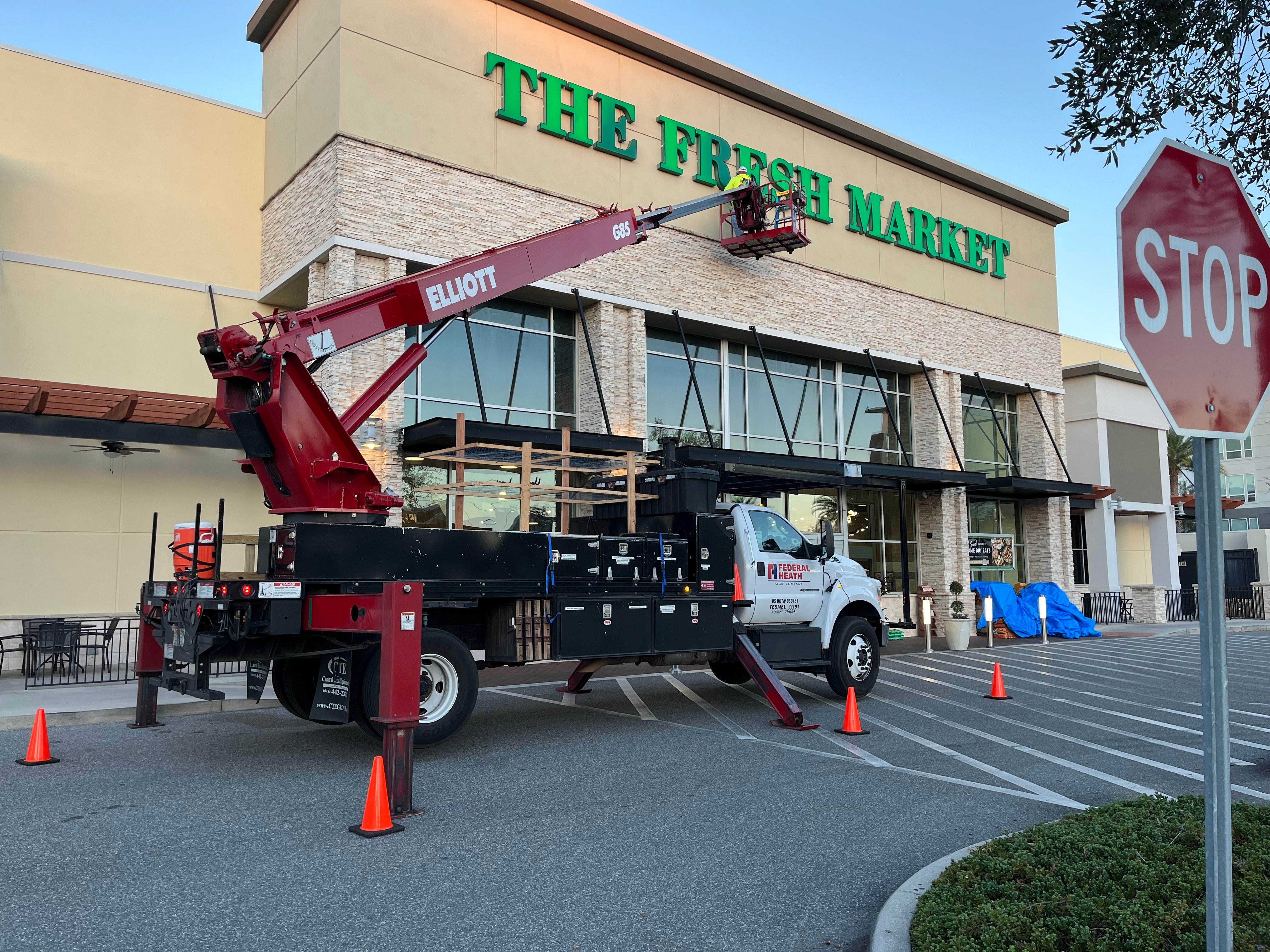
The Real Operational Costs of Reactive Sign Maintenance
Many organizations treat sign maintenance as a reactive necessity rather than a proactive operational strategy. A sign fails, illumination goes dark, or damage becomes visible — and only then does the repair process begin.
While this approach may appear cost-effective initially, reactive maintenance often creates significantly higher long-term costs for multi-location brands.
For petroleum retailers, restaurants, healthcare systems, grocery chains, and financial institutions, delayed or inconsistent sign maintenance affects more than appearance. It can impact visibility, energy efficiency, operational uptime, customer perception, and maintenance budgets.
Why Reactive Maintenance Increases Costs
Reactive maintenance focuses on fixing problems after failures occur, which commonly leads to:
- emergency service calls
- rushed fabrication and shipping
- unplanned downtime
- higher labor costs
- inconsistent repairs
- repeat service visits
- shortened asset lifespan
As signage networks grow across hundreds or thousands of locations, these costs compound quickly.
Emergency Repairs Are More Expensive
Unplanned repairs typically cost far more than scheduled maintenance due to:
- after-hours labor
- expedited shipping
- rush fabrication
- emergency permitting
- additional travel expenses
While a single repair may seem manageable, repeated emergency service calls across a national network can become a substantial operational expense.
Visibility and Brand Perception Suffer
Signage plays a direct role in customer visibility and first impressions. When illuminated signs fail or branding appears outdated, businesses may experience reduced traffic and weakened customer confidence.
This is especially critical for:
- convenience stores
- petroleum retailers
- quick-service restaurants
- grocery stores
- roadside retail locations
Customers often associate poorly maintained signage with declining operational standards, reduced professionalism, or aging infrastructure.
Inconsistent Repairs Fragment the Brand
Without centralized maintenance standards, reactive repairs often result in:
- mismatched lighting
- inconsistent materials or colors
- uneven brightness
- non-standard fabrication methods
Over time, these inconsistencies create a fragmented brand experience across locations.
Aging Signage Increases Energy Costs
Older signage systems typically consume more energy than modern LED technology. Reactive maintenance often prioritizes temporary fixes instead of strategic upgrades, causing organizations to continue operating inefficient infrastructure.
Proactive modernization programs can improve:
- energy efficiency
- lighting consistency
- maintenance frequency
- long-term operating costs
Compliance and Vendor Challenges
Reactive projects can also create permitting and compliance risks, particularly across multiple municipalities. Fast-moving repairs may result in:
- incomplete documentation
- code conflicts
- delayed approvals
- inconsistent installation standards
Additionally, decentralized emergency purchasing often leads individual locations to source local vendors independently, creating inconsistencies in fabrication quality, materials, and installation methods.
Why Preventative Maintenance Works
Leading brands increasingly manage signage as a long-term operational asset rather than a series of isolated repairs.
Preventative maintenance programs help organizations:
- identify issues before failures occur
- reduce emergency repair frequency
- extend asset lifespan
- maintain brand consistency
- improve budget forecasting
- minimize operational disruptions
Routine inspections can detect problems such as lighting degradation, structural wear, water intrusion, and fading graphics before they require costly emergency intervention.
Signage Is Operational Infrastructure
For multi-location brands, signage is more than a visual element; it is an operational infrastructure that supports visibility, customer trust, navigation, and brand consistency.
Organizations that rely heavily on reactive maintenance often spend more time over time, creating greater inconsistency across their networks. Proactive maintenance and centralized signage management help reduce long-term costs while delivering a more consistent customer experience across all locations.